
Preventing Costly Water Damage in Your Home
Water damage is a significant threat to any home, often resulting in expensive repairs and long-term hazards like mold or structural weakening. The consequences can range from ruined floors to compromised electrical systems, but homeowners can limit their vulnerability through early intervention and vigilance. Investing time and resources into water damage restoration after an incident is essential, but prevention remains the most cost-effective strategy. You can keep your property safe and value intact by addressing risks before they escalate.
This comprehensive guide highlights crucial steps every homeowner can take to guard against water-related disasters. From routine plumbing checks to installing the latest detection technology, these methods are designed to minimize risks and protect finances and family well-being. Homeowners with the correct information and tools are better prepared to avoid water damage’s destructive and costly aftermath. With proactive planning, your home can remain dry, secure, and comfortable every season.
The solutions here safeguard your property from water intrusion and help prevent related dangers, such as mold growth and electrical faults, which are costly and difficult to repair. Regular monitoring, smart devices, and weatherproofing are all part of a holistic approach to home maintenance, ensuring peace of mind even during heavy rainfall or severe storms. The expertise in water and storm damage restoration services can be invaluable should you ever need rapid assistance recovering from unexpected events.
Regular Plumbing Maintenance
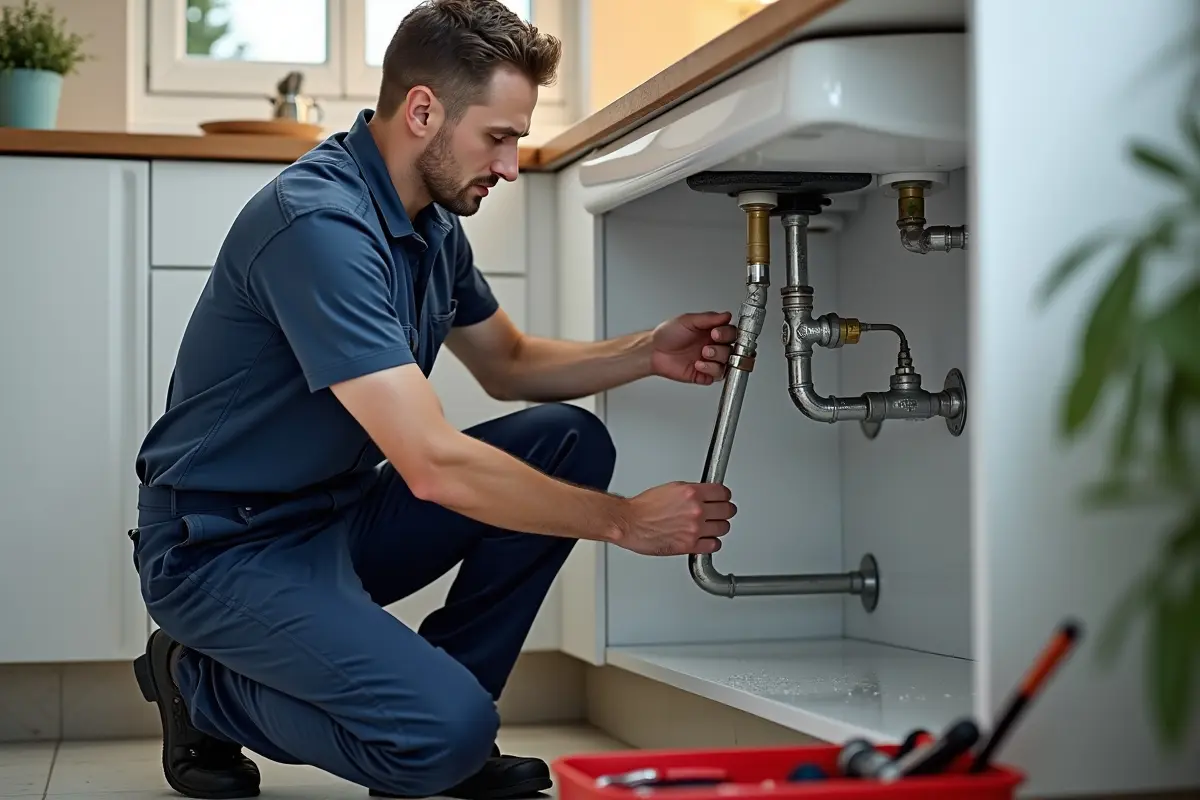
The majority of indoor water damage incidents originate from faulty plumbing. Consistent inspection of supply lines, joints, and hidden pipes can reveal small leaks before they cause hidden mold or major flooding. Homeowners should prioritize fixing dripping faucets, running toilets, and any signs of corrosion or dampness under sinks.
Experts recommend scheduling professional inspections at least once a year to identify and remedy potential risks before they result in destruction. According to Consumer Reports, simple actions like replacing worn-out washers or tightening loose connections can prevent extensive damage and expensive repairs.
Install Smart Water Detection Devices
Modern water leak detectors are a homeowner’s best ally in the fight against water damage. These compact sensors can be easily placed in key areas—such as basements, under sinks, or near water heaters—and are designed to alert you via smartphone or alarm at the first sign of moisture.
Many models continuously monitor humidity and temperature levels, increasing your response time to even the most minor leaks. For example, systems connected to your home Wi-Fi can pinpoint a leak and even automatically shut off your main water supply to stop the problem at its source. For more on advanced detection and home integration, The New York Times Wirecutter compares top-rated leak detectors.
Ensure Proper Home Grading and Drainage
The landscape surrounding your home is critical in protecting your foundation from water damage. Soil that slopes toward your house, clogged downspouts, or poorly maintained gutters can lead to water pooling near the foundation and infiltration into your basement or crawl spaces. To optimize grading, ensure soil slopes away from the base of your home by at least six inches over a 10-foot span. Regularly clear leaves and debris from gutters, and check for leaks at the joints and connections. Downspouts should extend five feet from your home to maximize water diversion.
Conduct Routine Roof Inspections
Your roof is your home’s first defense against weather-related water intrusion. Inspect your shingles for visible damage, curling, or signs of moss and algae, especially as the seasons change. Flashing, the metal strips sealing roof joints and valleys, should be checked for cracks or corrosion that might allow water seepage. Losing a few granules from an asphalt shingle might not seem like much, but compromised shingles can let water penetrate layers beneath over time. After storms, make a habit of checking for visible debris or potential punctures from fallen branches.
Seal Windows and Doors
Gaps around windows and doors are a common but manageable source of moisture intrusion. Each year, assess caulking and weatherstripping for cracks or deterioration and reapply as needed. High-quality silicone or latex-based caulk can last several seasons and seal even larger gaps. In areas susceptible to high rainfall or wind-driven storms, installing storm windows or adding an extra barrier can vastly improve water resistance and energy efficiency. Properly sealed windows and doors are essential not just for keeping water out, but also for lowering energy bills by preventing drafts.
Monitor Appliances and Fixtures
Appliances that use much water—such as washing machines, dishwashers, and water heaters—are frequent culprits in household leaks. Inspect hoses, connections, and drains for any visible signs of aging, cracking, or bulging. Stainless steel braided hoses are a worthwhile upgrade to minimize rupture risk compared to traditional rubber hoses. Additionally, check for condensation or rust beneath and around appliances. Fixture leaks, even if slow, can cause gradual but significant water damage to floors and cabinetry, so prompt attention is vital.
Prepare for Emergencies
No plan can eliminate all risks—powerful storms or sudden pipe bursts can still occur even with solid maintenance. Consider installing a sump pump in your basement if you’re in a flood-prone area, and test it regularly to guarantee it’s operational. Know the location of your emergency water shut-off valve and ensure all family members understand how to operate it.
Developing a household emergency plan with critical contacts and steps for immediate action will ensure everyone is prepared to respond quickly and safely. The American Red Cross offers practical preparation and recovery resources for unexpected water emergencies.
Conclusion
Water damage is preventable with diligent maintenance and the latest safety technologies. Practical steps like regular plumbing checks, adding smart detection systems, improving grading, and upgrading weatherproofing can significantly reduce your home’s risk of expensive and hazardous water intrusion. Stay vigilant and proactive—your home’s safety, comfort, and value depend on it.