
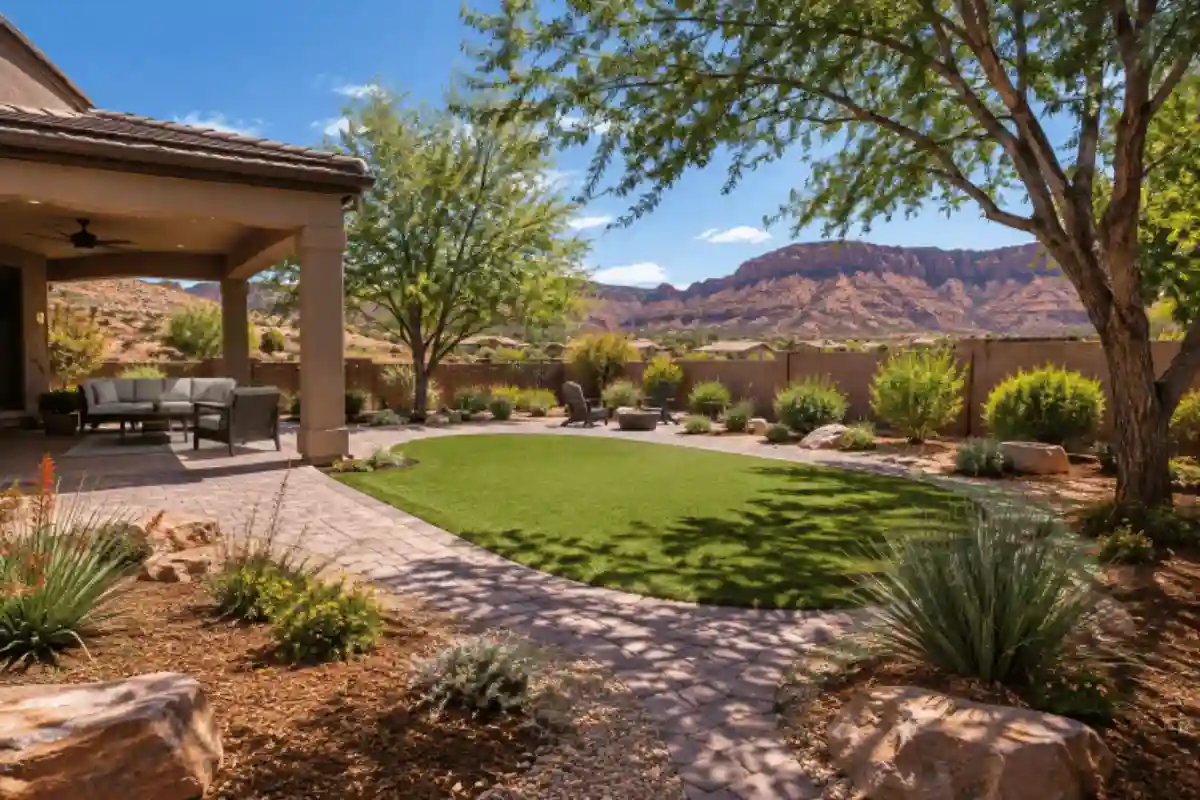
Planning a Lower-Maintenance Yard in St. George, Utah
In St. George, Utah, a practical landscape needs to handle intense sun, dry conditions, dusty winds, and the way a household actually uses its outdoor space. A lower-maintenance yard is not about removing every living plant or covering the property with a single surface. It is about giving each area a purpose, whether that means seating, a pet run, a shaded path, planting beds, or a small green play zone. When comparing artificial grass products, start with site conditions and daily needs rather than choosing a material first.
A balanced plan can combine durable surfaces with trees, shrubs, flowering plants, mulch, and open areas for gathering. This approach can reduce the work associated with a large conventional lawn while keeping the yard comfortable and visually varied throughout the year.
Why Water-Wise Yard Planning Matters
Outdoor spaces in southern Utah are exposed to long periods of direct sunlight and high summer temperatures. Large turf areas can be useful for recreation, but they also require regular irrigation and upkeep. Replacing only the least useful lawn areas can be a more thoughtful choice than treating the whole property the same way.
Start With How the Space Will Be Used
Before selecting plants, gravel, pavers, or turf, identify what happens in each part of the yard. A front entry may need clear walkways and curb appeal. A backyard may need room for pets, children, dining, or quiet seating. Narrow side yards often work best as durable access routes rather than difficult planting areas.
Where Artificial Grass Can Fit
For a small activity area, courtyard, pet zone, or place where natural lawn repeatedly struggles, artificial grass can provide a defined green surface without the need for routine mowing. It is not maintenance-free, however. Debris removal, occasional brushing, rinsing where pets use the area, and attention to edges and drainage are still part of its care.
It is usually most effective when it has a specific job. Covering a modest play space or a high-traffic path may be more useful than installing it across every open area. Leave room for planting beds and shade wherever possible, especially around patios and seating.
Use Plants for More Than Decoration
Plants bring height, color, shade, movement, and privacy to a landscape. In St. George, selection should account for the exact site, including reflected heat from walls, drainage, soil, afternoon sun, and mature plant size. Utah State University notes that choosing plants suited to local soil, water, temperature, and light conditions can help reduce maintenance and water needs, and its water-wise plant lists for Utah landscapes offer a useful starting point for regional research.
Planting Areas to Consider
- Shade trees near patios, windows, and sitting areas.
- Low-growing plants that soften the edge of walkways.
- Shrubs for privacy, wind buffering, or screening utility areas.
- Perennials and ornamental grasses for seasonal texture.
- Mulched planting beds that separate living plants from traffic zones.
Combine Materials With Intention
A yard often feels more complete when it includes a mix of surfaces. A green activity zone can be bordered by planting beds. Mulch or appropriately placed rock can define beds and help keep foot traffic out of root zones. Paths should connect doors, gates, trash storage, and gathering spaces without forcing people to cut through plants.
For a coherent design, repeat a few materials and plant types rather than using many unrelated colors and textures. Curves, layered plant heights, and consistent edging can make a compact St. George yard feel organized without making it overly formal.
Plan for Drainage and Heat
Drainage should be addressed before installing any finished surface. Water should move away from the home, avoid pooling near the foundation, and follow a planned route through the landscape. Base preparation, slopes, and permeable areas all affect how water behaves after a storm or a heavy irrigation cycle.
Heat also deserves early attention. Exposed turf, dark hardscape, walls, and gravel can make a sunny yard uncomfortable during the hottest part of the day. Trees, shade structures, thoughtful seating placement, and lighter-colored surfaces can improve comfort. Plant selection should be based on the specific microclimate, not just a general drought-tolerant label.
Design for Pets, Children, and Traffic
Active households benefit from simple, durable layouts. Create a clear route from doors to gates and activity areas. Keep delicate plants away from favorite running paths, and use sturdy edging to separate loose materials from play or pet spaces. Pet areas should be easy to access for cleaning and should have dependable drainage. Play areas benefit from shade, visibility from the home, and enough open space to move safely.
Compare Long-Term Maintenance
The lowest material price rarely tells the full story. Compare site preparation, removal of existing turf or roots, grading, drainage work, irrigation adjustments, edging, delivery access, plant establishment, and future repairs. A landscape with several well-defined zones can make maintenance more predictable because each surface has a clear care routine.
Check Rules Before Starting
Before removing turf or changing irrigation, confirm requirements with the city, water provider, and HOA when applicable. Rules and incentive programs can differ by neighborhood and change over time. The Environmental Protection Agency recommends selecting plants appropriate for the local climate and site, and its guidance on water-efficient landscaping can help homeowners evaluate choices beyond appearance alone.
Common Mistakes to Avoid
- Replacing the entire yard with a single material.
- Ignoring drainage until after installation.
- Placing plants without considering mature size or sun exposure.
- Skipping shade planning around patios and play areas.
- Forgetting that pet zones require access for cleaning.
- Comparing material prices without accounting for base work and grading.
- Starting work before checking local and HOA requirements.
A Simple St. George Yard Planning Checklist
- Measure the areas under consideration.
- Mark sun, shade, slopes, drains, gates, utilities, and traffic routes.
- Assign a primary purpose to each part of the yard.
- Reserve green surfaces for areas that will be used regularly.
- Select plants for their site conditions and mature dimensions.
- Plan drainage before finalizing surface materials.
- Include shade near seating, play areas, and heat-prone walls.
- Build a realistic plan for cleaning, pruning, and irrigation for each zone.
Conclusion
A lower-maintenance yard in St. George does not need to be empty, all rock, or all turf. The strongest plans combine practical surfaces with shade, climate-appropriate plants, clear circulation, and drainage that works with the property. By focusing on how the space will be used, homeowners can create an outdoor environment that is easier to care for and more comfortable to enjoy.