
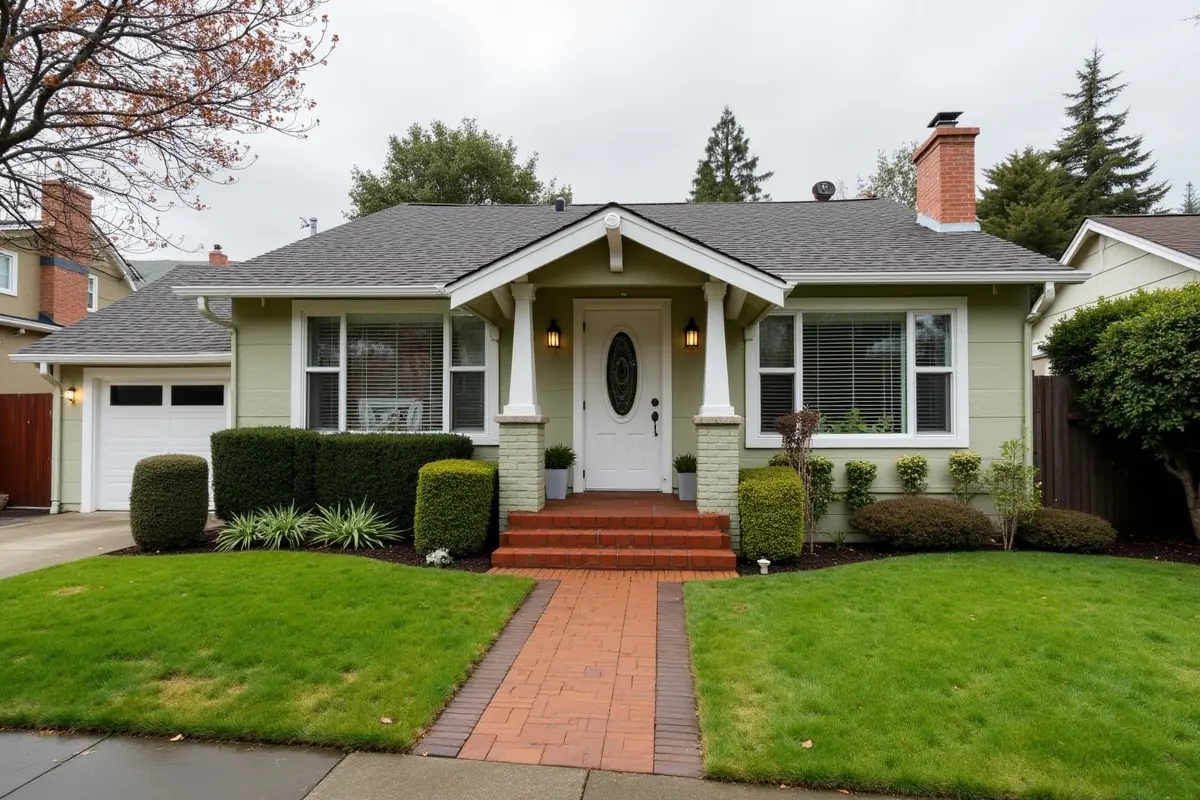
How to Prepare a Home for Sale in North Orange County, California, Without Overspending
Selling in North Orange County calls for a focused plan, not an automatic remodel. Buyers may compare your home with properties in Fullerton, Brea, Placentia, Yorba Linda, Buena Park, Anaheim Hills, Cypress, Orange, Irvine, and Tustin, so condition, presentation, and price should work together from the start.
North Orange County real estate experts Home Ready Team, is a Fullerton-based real estate group whose website offers neighborhood information, home valuation tools, and seller-focused services. Home Ready Team emphasizes the fundamentals that matter to sellers: how a property is priced, prepared, shown, and marketed across North Orange County communities.
The goal is not to make every room brand new. It is to remove distractions, address meaningful defects, and help buyers see a cared-for home that fits its price range.
Start With a Clear Selling Plan
Begin with a likely listing date, a moving timeline, and a realistic budget. A homeowner preparing an updated Yorba Linda property may need a different plan than an owner selling an older Fullerton bungalow or an Irvine condo. Start early when possible. Four to six weeks is a useful planning window for a home in average condition, while extensive repairs, estate cleanouts, or contractor scheduling may require more time.
Before authorizing work, walk through the home as if you were seeing it for the first time. Make notes about what feels unfinished, inconvenient, dark, crowded, worn, or difficult to understand.
Inspect the Home From a Buyer’s Viewpoint
Test doors, windows, locks, faucets, outlets, lights, appliances, heating and cooling equipment, garage doors, gates, and cabinet hardware. Look for water stains, active leaks, odors, cracks, drainage issues, damaged screens, evidence of pests, and loose railings.
- Repair before listing: Safety hazards, active leaks, broken equipment, trip hazards, and visible damage.
- Improve if the budget allows: Worn paint, dated light fixtures, landscaping gaps, and cosmetic imperfections.
- Leave as-is when appropriate: Items that do not justify replacement, while handling required disclosures correctly.
Small defects can create an outsized concern. A dripping faucet or loose handrail may be inexpensive to fix, yet it can lead a buyer to wonder whether larger maintenance needs have also been deferred.
Build a Practical Pre-Sale Budget
Create a simple project list with the estimated cost, deadline, and expected benefit of each task. Get more than one estimate for substantial work, and reserve funds for permits, hauling, cleaning, storage, photography, landscaping, and unexpected repairs. Compare each proposed project with nearby competing homes. A high-end remodel may not be a sensible pre-sale expense if similarly priced local listings are clean, functional, and only moderately updated.
Choose Repairs Buyers’ Notice
Prioritize improvements that build trust and make daily use feel easy. Address active plumbing leaks, roof concerns, visible water damage, faulty electrical components, HVAC problems, damaged flooring, broken fixtures, and doors or windows that do not operate properly. Repair loose hinges, worn weatherstripping, torn screens, sticking gates, and cracked walkways when practical.
A full kitchen or bathroom remodel is not always the best pre-listing choice. If the room is clean, functional, and broadly consistent with comparable homes, targeted updates such as fresh paint, new hardware, repaired grout, or a modern light fixture may be sufficient.
Improve Presentation Without a Full Renovation
Deep-clean floors, windows, baseboards, vents, kitchens, bathrooms, and grout. Use neutral paint where colors are bold, heavily worn, or highly personal. Replace mismatched bulbs with consistent lighting, remove excess furniture, and clear counters. Outside, refresh the entry, porch, mailbox, walkways, and visible landscaping.
Online photos often create a buyer’s first impression. A productive weekend checklist includes washing windows, putting away countertop appliances, storing personal papers, trimming plants, replacing burned-out bulbs, and making beds with simple linens.
Use Staging in a Practical Way
Staging means presenting the home clearly, not copying a design trend. Focus first on the entry, living room, kitchen, primary bedroom, bathrooms, and outdoor areas. Occupied staging may involve rearranging existing furniture, while partial or professional staging can help vacant rooms feel purposeful.
According to the National Association of REALTORS® consumer guidance on staging a home for sale, 83% of buyer’s agents said staging made it easier for buyers to visualize a property as their future home. Remove valuables, medications, personal documents, excess décor, and highly specific collections before photos and showings.
Document Improvements and Energy Features
Collect permits, warranties, receipts, service invoices, manuals, and contractor contact information. Include records for newer HVAC equipment, roofing, efficient windows, insulation, solar equipment, appliances, smart thermostats, and major repairs. Clear documentation does not eliminate inspection questions, but it can give buyers useful context and make it easier to answer them promptly.
Prepare for Photos, Showings, and Pricing
Before photography, open blinds, turn on lights, remove trash cans, clear counters, and make closets, garages, patios, and storage spaces easy to view. Make a plan for pets, laundry, mail, toys, and odors. The in-person experience should closely match what buyers saw online.
Set the price using local evidence. Closed sales show what buyers recently paid, pending sales can indicate current demand, and active listings show the choices buyers can see now. Compare location, square footage, lot, layout, parking, condition, updates, and amenities. Do not rely only on a neighbor’s asking price or an automated estimate. An overly ambitious starting price can reduce early interest and may lead to later price reductions.
Follow a Simple Pre-Listing Timeline
Four to Six Weeks Before Listing
- Complete the walkthrough, select priority repairs, collect records, and schedule contractors.
Two to Three Weeks Before Listing
- Finish repairs, declutter storage areas, review comparable properties, and plan staging.
One Week Before Listing
- Deep-clean, refresh curb appeal, remove valuables, and prepare for photography and showings.
Common Mistakes to Avoid
- Overspending on upgrades without considering local competition.
- Ignoring the entry, garage, closets, yard, or visible maintenance issues.
- Listing before cleaning and repairs are complete.
- Failing to organize records or address disclosures appropriately.
Frequently Asked Questions
Should a Seller Remodel the Kitchen Before Listing?
Not necessarily. Minor improvements may be enough when the kitchen is clean, functional, and comparable to nearby homes.
What Repairs Should Be Done First?
Start with safety, water intrusion, major systems, visible damage, and issues likely to draw attention during an inspection.
How Much Should a Seller Spend Before Listing?
There is no universal amount. The right budget depends on the home’s condition, local competition, timing, and the likely value of each improvement.
Conclusion
The smartest pre-sale strategy is purposeful spending. Fix what affects safety and function, improve cleanliness and presentation, organize records, and price with local evidence. That approach can help a North Orange County home make a confident first impression without forcing the seller into expensive work that buyers may not value.