
Preventing Mold Problems at Home: Essential Strategies for a Healthier Living Space
Protecting your home and your family’s well-being means being proactive about mold. Whether you live in a humid climate or your home has experienced occasional leaks, understanding the risks associated with mold is crucial. Early assessment through services like mold inspection can help you discover potential problems before they escalate.
Mold spores are everywhere in the environment, but under the right circumstances, they can take hold indoors, causing everything from minor irritation to significant health concerns. Some symptoms, such as allergies or respiratory issues, may even go unnoticed until the infestation is widespread.
Maintaining a healthy home starts with moisture management. Even small water leaks, if left unchecked, can create the ideal conditions for mold growth. This underscores the importance of routine home maintenance, early intervention, and vigilance for potential water damage. If you do find yourself facing persistent moisture issues or visible mold, it is important to consider thorough remediation strategies. For more information about professional mold removal options, some resources can provide in-depth advice.
Understanding Mold and Its Health Impacts
Mold is a form of fungus that propagates through microscopic spores. When these spores land in damp areas inside a home, they can quickly grow and multiply. According to experts, mold exposure is linked to a range of symptoms, including nasal stuffiness and throat irritation, coughing, eye irritation, and skin reactions.
Individuals with lung diseases, asthma, or weakened immune systems are particularly vulnerable and may experience more severe symptoms or infections. Extended contact with indoor mold is also a risk factor for developing chronic respiratory conditions and may worsen existing allergies or asthma symptoms.
Common Causes of Indoor Mold Growth
Moisture is the single biggest factor in indoor mold growth. Some common sources include:
- Leaks in the roof or exterior walls that allow rainwater to penetrate indoors
- Poor ventilation in bathrooms, kitchens, and laundry rooms
- High levels of indoor humidity, often due to climate or inadequate air conditioning
- Plumbing leaks, especially slow drips beneath sinks or behind walls
- Water infiltration in basements or foundations after storms
Paying attention to any signs of persistent dampness, condensation around windows, or water pooling after rain can help homeowners prevent larger issues before they begin.
Effective Strategies for Mold Prevention
- Control Indoor Humidity: Try to keep humidity levels between 30 percent and 50 percent. A hygrometer can help track indoor humidity, and dehumidifiers or air conditioning may be necessary in humid environments.
- Ventilation: Ensure bathrooms and kitchens are properly ventilated, using exhaust fans that vent outdoors. Clothes dryers should also be properly vented to the outside.
- Fix Leaks Quickly: Regularly inspect plumbing, the roof, the basement, and the foundation for leaks or water damage. Address any issues as soon as they are discovered to prevent moisture buildup.
- Act Quickly After Water Exposure: Following flooding or water intrusion, thoroughly dry the affected area within 24 to 48 hours. Professional drying equipment may be necessary in severe cases.
- Consider Mold-Resistant Materials: Use mold-resistant drywall, insulation, and paints, especially in high-moisture areas or when remodeling.
Following these steps can significantly reduce the likelihood of a mold outbreak in your home. Learn more about long-term prevention through resources provided by the U.S. Environmental Protection Agency.
Identifying and Addressing Mold Issues
Most mold issues become apparent through visible growth or a persistent musty odor, especially in hidden or less-frequented areas like basements, attics, or behind furniture. Water stains or discoloration on walls or ceilings are also signs that moisture, and possibly mold, could be present.
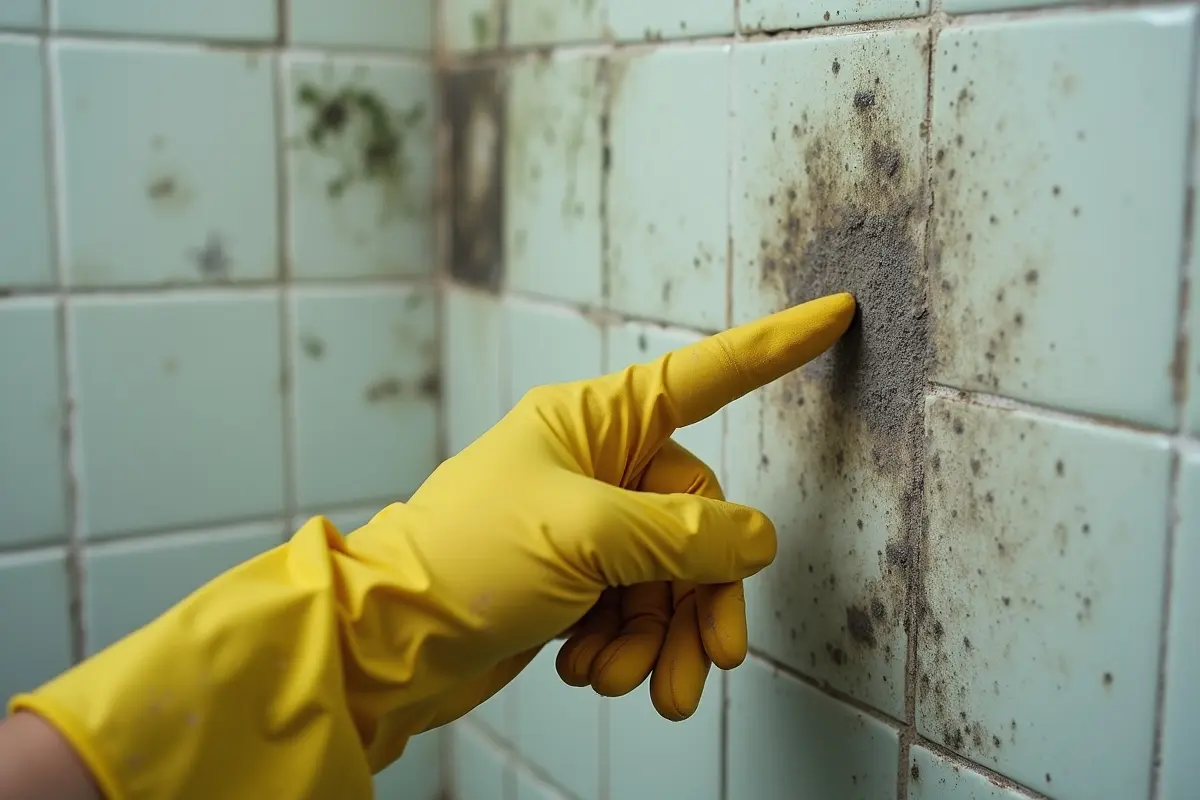
If you discover a small, contained area (less than about 10 square feet) of mold, you may be able to clean it yourself with soap and water or a diluted bleach solution. Always wear gloves, goggles, and a mask to limit exposure during cleanup and ensure the area is completely dry afterward. Avoid painting or caulking over moldy surfaces, as this will not eliminate the problem and may trap mold beneath the surface.
When to Seek Professional Help
If you detect extensive mold growth, especially on surfaces or structures larger than 10 square feet, or if mold is suspected behind walls or ceilings, contacting professionals is recommended. Mold remediation experts can properly assess the scope and source of the problem, safely remove contaminated materials, and recommend ways to prevent recurrence.
Delaying action could lead to higher costs and greater health risks over time. In situations where mold keeps returning despite best efforts, a professional inspection may uncover waterproofing or ventilation issues that require specialized repairs.
Conclusion
Creating and maintaining a healthy, mold-free home environment requires proactive attention to moisture management, regular inspections, and prompt repairs. Integrating preventive strategies and seeking expert assistance when necessary helps limit the risks associated with indoor mold, offering peace of mind to homeowners and renters alike.