
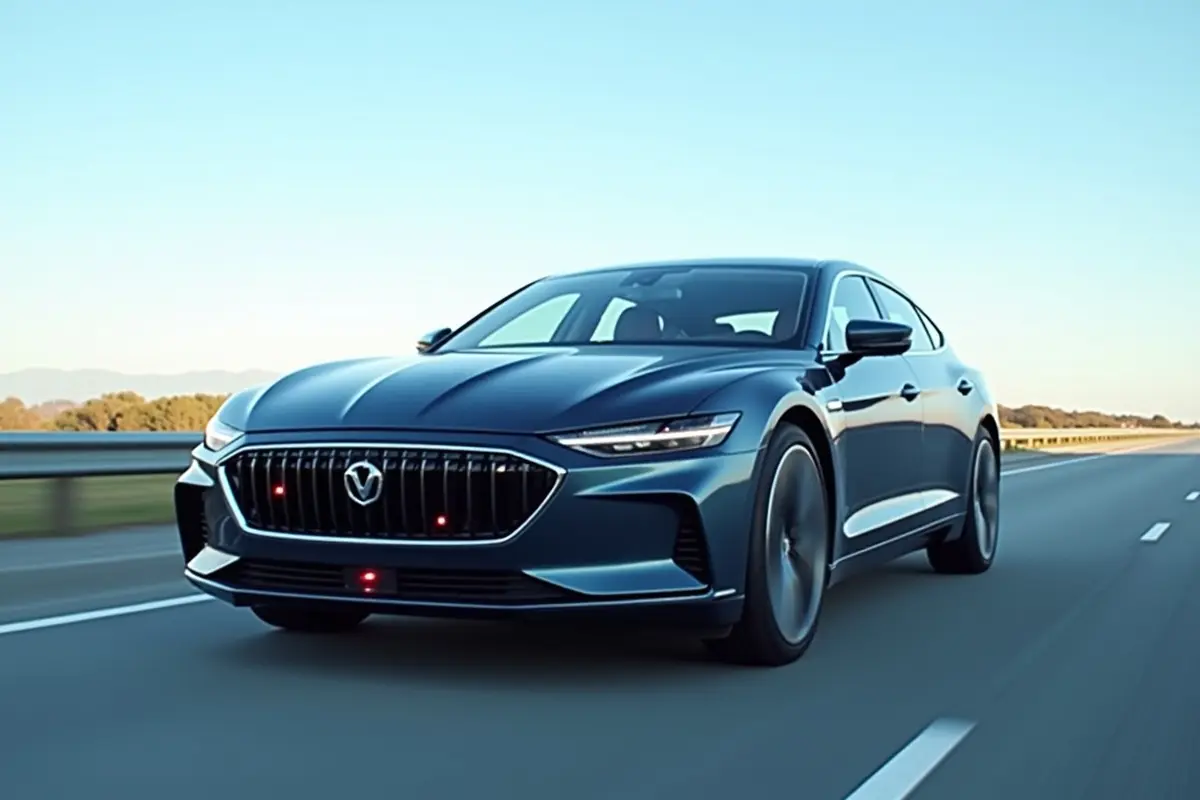
Evolution of Driving: The Power of New Car Safety Tech
Today’s car is equipped with a suite of advanced safety technologies that are dramatically altering how we drive and the safety of our roads. These innovative systems not only provide enhanced protection for occupants but also influence everyday driving habits by encouraging more attentive, cautious behavior on the road. As safety features evolve, drivers benefit from greater confidence and support behind the wheel. Learn more about the latest vehicles equipped with cutting-edge safety technology to experience these advancements for yourself.
The shift in automotive safety isn’t just about protecting people during a crash. Increasingly, these innovations aim to prevent collisions altogether, supporting a safer driving environment for everyone. In this article, we’ll explore how these features are transforming modern transportation and making driving not only easier but also more secure.
Many of these technologies, from accident-avoidance systems to driver-alertness monitors, have become standard or widely available in recent models. This means drivers have an unprecedented array of tools at their disposal to help them avoid mistakes and react to dangers more quickly than ever before.
Primary industry and government endorsements, such as mandates from the National Highway Traffic Safety Administration (NHTSA) and the European Union, demonstrate just how important these innovations have become. These changes are likely to improve long-term safety outcomes worldwide. For deeper insights, check trusted sources such as the National Highway Traffic Safety Administration.
Adaptive Cruise Control and Lane Centering
Adaptive Cruise Control (ACC) and lane centering technology represent a significant step forward in automated driving assistance. ACC allows your car to maintain a set speed while automatically adjusting speed to match the flow of traffic ahead. This significantly reduces the effort required on long drives or in heavy congestion, minimizing the need for constant speed adjustments and repetitive braking.
Lane centering complements ACC by gently steering your vehicle to keep it centered in its lane. This function improves upon basic lane departure warnings by actively preventing unintentional drifting. By keeping the car centered and providing steering support, lane centering helps drivers maintain better control and reduces fatigue, especially on highways.
Automatic Emergency Braking
Automatic Emergency Braking (AEB) utilizes forward-facing sensors and cameras to detect obstacles or sudden stops ahead. If a collision is imminent and the driver has not taken corrective action, the system will automatically apply the brakes. AEB is shown to reduce front-to-rear collisions by up to 50 percent and injury-causing crashes by over 50 percent, according to independent studies. With the NHTSA mandating AEB for all new passenger vehicles by September 2029, this feature is quickly shifting from an option to a vital requirement for modern cars.
Driver Drowsiness Detection
Drowsiness detection systems use sensor data to monitor driver behavior, looking for indications of fatigue or inattention such as erratic steering or prolonged eye closure. When the system suspects the driver may be falling asleep, it delivers visual or audible alerts to urge a break. Since fatigue is responsible for as many as one in five crashes, these systems play a crucial preventative role. In the European Union, all new vehicles are now mandated to include driver drowsiness detection, underscoring the technology’s global importance.
Blind Spot Warning Systems
Changing lanes has always carried the risk of colliding with other vehicles lurking in blind spots. Modern blind-spot warning systems use radar or cameras to detect vehicles in adjacent lanes that might be out of your field of vision. The system alerts the driver, usually with a warning light in the mirror or an audible signal, helping prevent risky maneuvers. This is especially beneficial in busy environments or on multi-lane highways, increasing driver confidence and decreasing the risk of side-swipe accidents. For further reading, check out Consumer Reports’ guide to car safety features.
Rearview Video Systems
Rearview video systems, commonly called backup cameras, give drivers a clear view of what’s directly behind the car. Mandatory in new vehicles in the United States since May 2018, these cameras help eliminate blind spots when reversing and have contributed to a significant reduction in backover accidents. They provide a broader vertical and horizontal field of view than a typical rearview mirror, which is especially helpful in crowded parking lots or when small children or pets might be behind the car.
Vehicle-to-Vehicle Communication
Vehicle-to-Vehicle (V2V) communication is an emerging technology that enables vehicles to exchange location, speed, and direction information wirelessly. This real-time data sharing allows cars to predict and react to dangerous situations, such as an approaching vehicle at a blind intersection or a sudden stop ahead, potentially preventing accidents before they occur. Though not yet universal, V2V is expected to play a pivotal role as automotive technology advances toward autonomous vehicles and more intelligent traffic networks.
Driver Monitoring Systems
Modern Driver Monitoring Systems (DMS) combine in-cabin cameras and sensors to evaluate whether a driver is actively paying attention to the road. If the system detects distracted behavior, such as prolonged looking away from the road or signs of drowsiness, it issues warnings to prompt the driver to refocus. These systems are key to countering distracted driving and are being incorporated into the safety suites of more vehicles every year.
Conclusion
Advanced car safety technologies are setting new standards for protection and prevention, changing how we approach daily driving. Features like Adaptive Cruise Control, Automatic Emergency Braking, Driver Drowsiness Detection, and others are not only safeguarding lives but also actively shaping better, more responsible driving behaviors. As these systems become the norm, they promise safer journeys and a significant reduction in road accidents worldwide. Investing in vehicles equipped with these technologies is a step toward a safer and brighter future for all road users.