
What to Expect When Working With an AV Company for the First Time
Stepping into a preliminary meeting with an AV company can be intimidating, however, as technical jargon gets thrown around and everyone assumes you know what a line array is, or how important signal routing can be. Hiring an AV company for the first time isn’t as bewildering as it seems. In fact, as long as you know what to expect during each step of the process, it’s quite straightforward.
It’s All About the Initial Meeting
The initial meeting is critical. This meeting sets the tone for everything else. The AV team needs to understand the event size, types of audience, and engagement levels, will there be live music? Presentations? Video playback? A team will also have a checklist of sorts, but in a positive direction, in asking how rooms fill up during an event, if certain aspects create challenging acoustics or lighting at certain times of the day.
For anyone looking to hire a professional audio visual company Hawaii for the first time, it’s suggested to ask every single question during this meeting, no matter how elementary they may seem. What’s the set-up time? How many technicians will be on-site? What happens if something goes wrong during the event? All reasonable and required questions that a professional team should welcome.
Understanding the Quotation and What’s Covered
After this initial consultation, a quote should come your way shortly thereafter. For first timers, keep in mind that AV company quotes can be deceptively simple or overwhelmingly complex based on the event at hand, taking time to understand what is being covered is worth it.
For most quotes, equipment hire is charged along with the manpower/labor requirements, set up and pack down time, and any travel arrangements or logistics involved. Sometimes a technical rehearsal is included; other times it’s an additional charge. It’s critical to ask about anything that is not overtly listed. A reputable AV company will be forthcoming about potential costs and will not leave clients guessing what they are getting for the price quoted.
It’s also worth flagging any specific considerations, live streaming for example, or if there are accessible needs for hearing loops or captioning. The earlier this information is on the table, the better chance that the actual quote will reflect the actual scope of work so that no one is surprised down the line.
Site Visits and Technical Planning
Prior to signing the contract for larger events or events with complicated venues, there may be a site visit before anything is set in stone. For example, during a site visit, the AV team walks through with relevant measurements to determine where speakers can go, where screens can be located, lighting rigs can be placed and mixing equipment best suited.
While this doesn’t have an air of technical formality to it like other components of this process, it still breeds confidence for both the AV company and client. There’s usually a technical plan created from here or a run-of-show document.
This document highlights certain elements of time in correlation with AV needs, when microphones will go live, when video has to roll, when house lights must change. For first timers to see this level of consideration can be genuinely comforting that no one just shows up and wings it.
What to Expect on Event Day
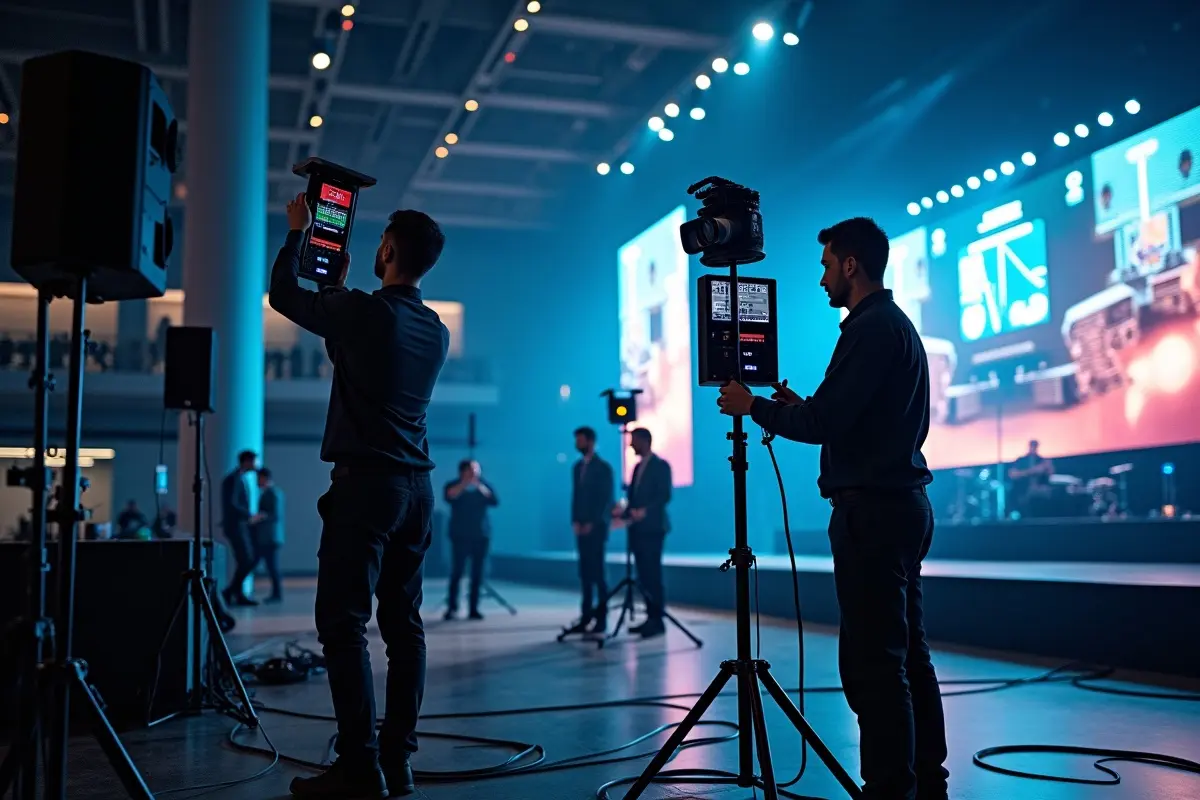
The setup day usually happens long before any guests ever enter a room. Technicians roll in and set up all equipment, rig things, run cables, check every sound and light before anyone else even gets settled. It’s busy, a focused situation, and depending on how intricate of an event planned, could take several hours to set up.
Most times, there will also be a walk-through with the event planner before doors open. This segment allows for cue confirmations, presenter microphone checks and making sure everyone is on the same page about how things will unfold. While it’s one more task in a long checklist of things to accomplish to get an event started on time, paying attention to this walk-through makes things exponentially more successful once things get going.
What Happens After Events
After everything is done and good sound/light/etc. is experienced by all, pack down happens usually with much greater efficiency than set up. Equipment is taken down, cables rolled back up into boxes and out the same doors they came in in no time flat.
In addition, if you hire a professional AV company, they’ll most likely do a follow-up after this point just to see how everything went and how things could’ve gone better for future events should this ever become a consistent working relationship.
This feedback is helpful, if something was great but something else fell short (acoustic quality in one area wasn’t strong enough while the screen brightness was too much), it’s good to share good tidings and constructive criticisms so that relationships strengthen going forward.
Working with an AV company for the first time doesn’t have to feel like trial by fire. It’s a collaborative process; they’re all professionals just wanting the best outcome as much as you do; therefore, by keeping lines of communication open from day one makes sense and benefits everyone involved long-term.